
Finding quality storage solutions while staying within budget has become more achievable than ever in 2026. Whether you're renovating your entire kitchen or simply upgrading a few units, inexpensive cupboards offer homeowners the opportunity to transform their spaces without draining their savings. The key lies in understanding where to invest, where to save, and how to identify products that deliver long-term value at accessible price points.
The cost of cabinetry varies dramatically based on construction methods, materials, and manufacturing approaches. Inexpensive cupboards typically leverage efficient production techniques and standardized sizing to keep prices down while maintaining structural integrity.
Ready-to-assemble (RTA) cabinets represent one of the most budget-friendly options available. These units arrive flat-packed and require assembly, which eliminates significant labor costs from the manufacturer's overhead. The trade-off involves dedicating time to assembly, but many homeowners find the savings worthwhile.
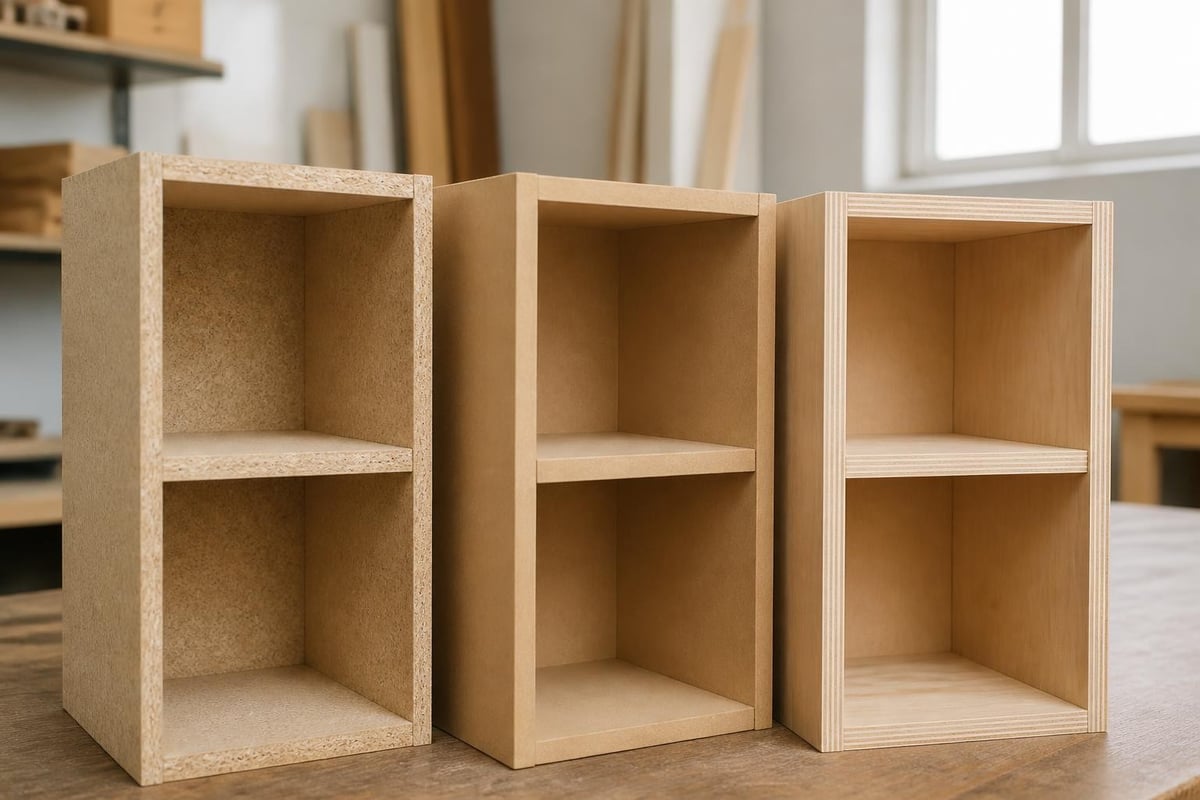
Cabinet boxes constructed from particleboard or medium-density fiberboard (MDF) cost substantially less than plywood alternatives. However, understanding formaldehyde emission standards ensures that lower-cost composite materials meet safety requirements.
| Material | Cost Level | Durability | Best Use Case |
|---|---|---|---|
| Particleboard | Lowest | Moderate | Dry areas, upper cabinets |
| MDF | Low-Moderate | Good | Painted finishes, stable environments |
| Plywood | Moderate-High | Excellent | Base cabinets, moisture-prone areas |
| Solid Wood | Highest | Excellent | Premium applications, visible frames |
The cabinet door material and finish also significantly influence final pricing. Thermofoil and laminate doors offer attractive, cleanable surfaces at a fraction of the cost of solid wood or wood veneer options.
Successful implementation of inexpensive cupboards begins long before you visit a showroom. Following NKBA kitchen planning guidelines helps you maximize functionality while minimizing unnecessary units.
Measure precisely and plan thoroughly. Standard cabinet sizes cost significantly less than custom dimensions. By designing your layout around stock sizes-typically 3-inch increments for width-you avoid upcharges for special orders.
Standard depth measurements also matter. Base cabinets at 24 inches deep and wall cabinets at 12 inches deep represent industry standards that manufacturers produce in volume, keeping costs down.
The wholesale cabinet market has expanded considerably, giving homeowners direct access to pricing previously reserved for contractors. Wholesale showrooms eliminate middleman markups while offering extensive selections. Many San Diego homeowners discover substantial savings by visiting specialized wholesale cabinet retailers that stock diverse options at direct pricing.
Big-box retailers stock limited lines of budget-friendly cabinets, though selection tends toward basic styles and finishes. These work well for simple layouts and neutral aesthetics.
Online cabinet retailers have grown sophisticated, offering detailed specifications, virtual design tools, and direct-to-consumer shipping. The inability to see and touch products before purchase represents the primary drawback.
Not all inexpensive cupboards deliver equivalent value. Learning to assess construction quality helps you identify products that will perform well over years of daily use.
According to Consumer Reports kitchen cabinet guidance, several construction features indicate better quality even in budget-friendly lines:
Checking whether cabinets meet KCMA certification standards provides additional assurance about durability testing and environmental compliance.
Labor often equals or exceeds the cost of inexpensive cupboards themselves. Choosing installation approaches that minimize professional hours keeps your total project budget under control.
Self-installation offers the greatest savings but requires confidence with tools, patience, and precision. Modern cabinet systems include detailed instructions and helpful hardware, making DIY installation more accessible than in previous years.
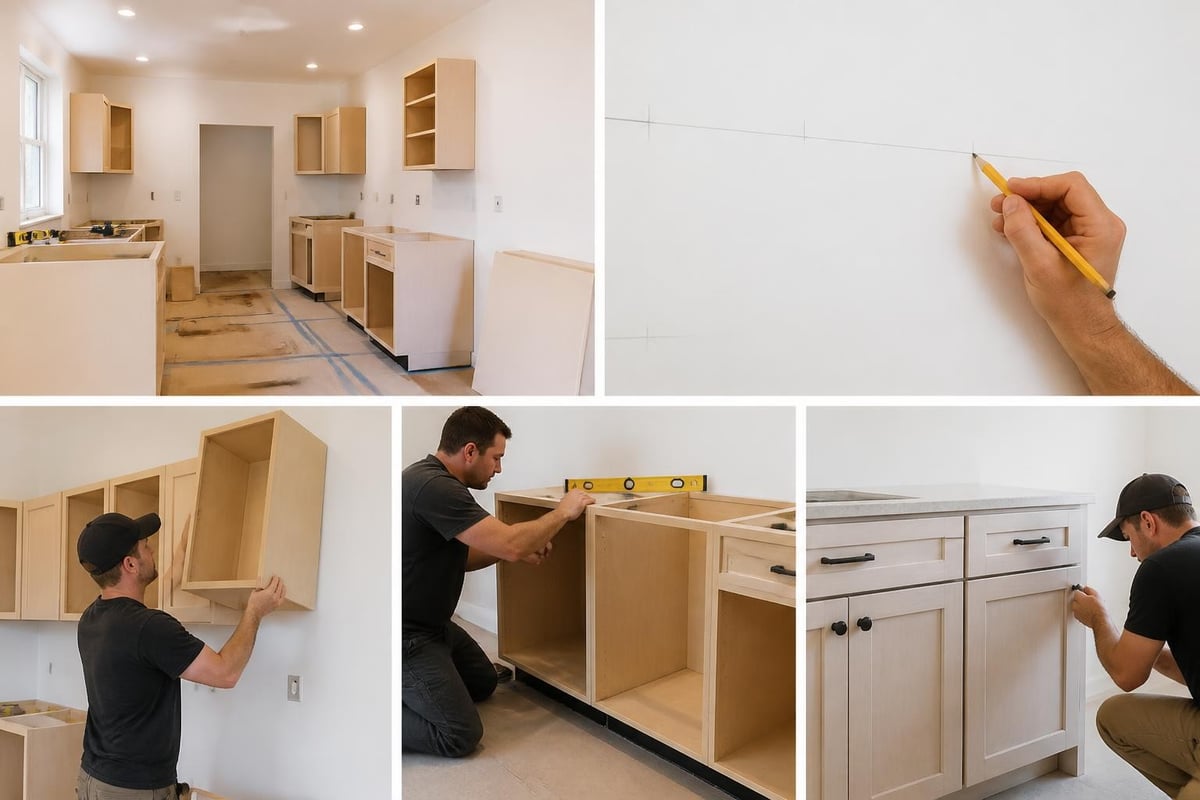
Hybrid installation strategies split tasks between DIY and hired expertise:
This approach typically reduces labor costs by 40-60% compared to full professional installation.
Inexpensive cupboards can look remarkably high-end with thoughtful finishing choices. The details you add after installation significantly impact the perceived quality of your kitchen.
Hardware selection transforms basic cabinet fronts. Substantial handles and knobs in brushed nickel, oil-rubbed bronze, or matte black finishes add visual weight and sophistication. Expect to invest $3-8 per pull for quality hardware that elevates the overall appearance.
| Upgrade Element | Cost Range | Visual Impact | Installation Difficulty |
|---|---|---|---|
| Premium hardware | $150-400 | High | Easy |
| Under-cabinet lighting | $200-600 | Very High | Moderate |
| Crown molding | $100-300 | Moderate | Moderate-Difficult |
| Decorative toe kicks | $50-150 | Low | Easy |
| Glass inserts | $200-500 | Moderate | Moderate |
Paint or refinishing represents another powerful upgrade path. For homeowners considering whether to enhance existing cabinets, practical cabinet painting guidance outlines the process and expected results.
Cabinet pricing fluctuates throughout the year based on manufacturer promotions, clearance cycles, and seasonal demand patterns. Strategic timing can reduce costs by 15-30% on identical products.
Holiday sales periods offer predictable discounts, particularly around Memorial Day, Labor Day, and Black Friday. January clearance events help retailers move inventory before new lines arrive in spring.
Manufacturers regularly update their product lines, creating opportunities to purchase discontinued styles at significant discounts. These cabinets maintain the same construction quality as current models-only the door style or finish has fallen out of the active catalog.
Floor models and slight-cosmetic-imperfection units also offer savings. Minor scratches on an end panel or inside a cabinet box that won't be visible after installation represent acceptable trade-offs for 20-40% price reductions.
Exploring special promotions from wholesale suppliers often reveals similar opportunities for substantial savings on quality cabinetry.
The gap between stock and semi-custom cabinetry has narrowed considerably. Some frameless cabinets now offer extensive customization at prices competitive with higher-end stock lines.
European frameless construction maximizes interior space and delivers a contemporary aesthetic. The full-overlay door style creates clean lines that disguise the budget-friendly nature of the underlying materials.
Certain semi-custom features deliver disproportionate value relative to their cost:
These modifications typically add 10-25% to base costs while creating a tailored appearance that standard stock cabinets cannot match.
Kitchen designers frequently combine cabinet quality levels within a single project to balance budget and performance. This strategic mixing places higher-quality construction where it matters most while using inexpensive cupboards where conditions are less demanding.
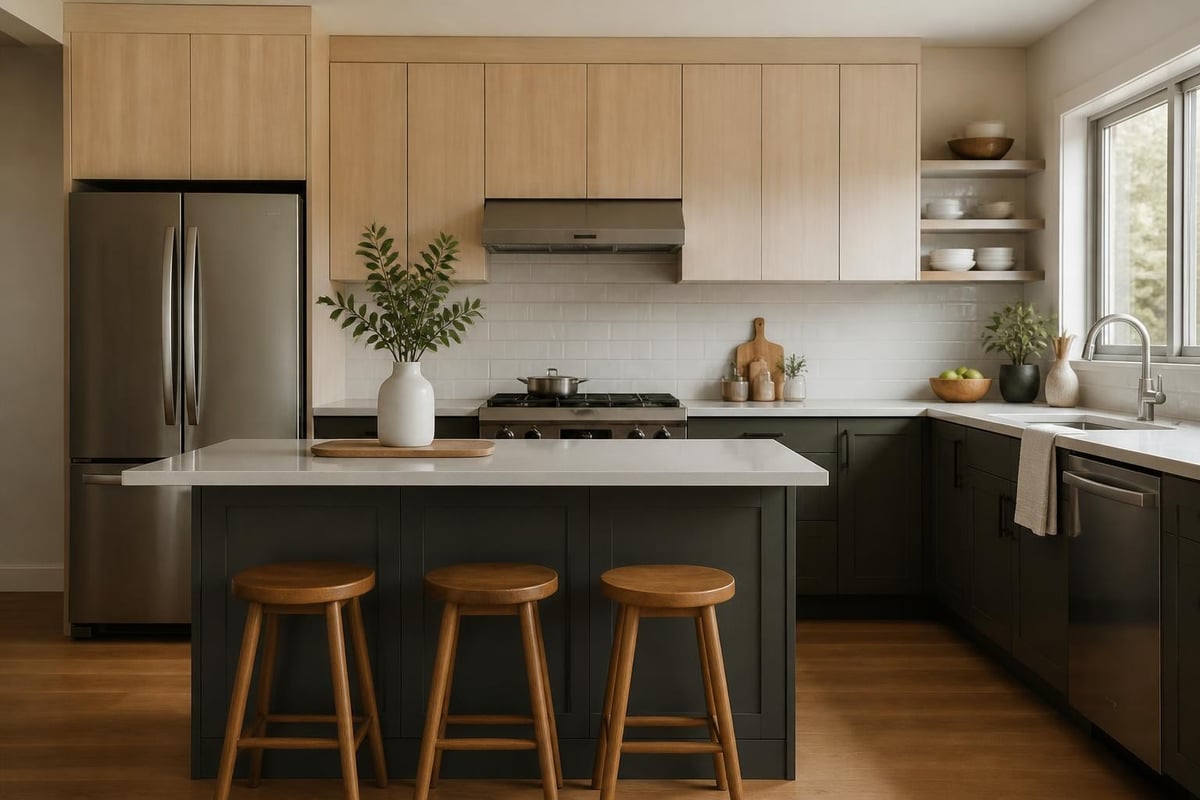
High-use zones benefit from upgraded construction:
Lower-use areas work well with budget options:
This approach can reduce overall project costs by 20-30% compared to using premium cabinets throughout while maintaining excellent performance where it counts.
Durability directly impacts the true cost of inexpensive cupboards over time. A cabinet lasting 15-20 years delivers better value than one requiring replacement after 7-10 years, even at half the initial price.
According to This Old House cabinet guidance, several factors predict longevity in budget-friendly cabinetry:
Joint construction using mechanical fasteners (screws, dowels) rather than adhesive alone withstands years of door operation and weight-bearing better than glued assemblies. Even budget lines increasingly feature doweled or cam-lock construction that improves structural integrity.
Adjustable components extend usable life. Hinges that can be tweaked as doors settle, adjustable shelf pins, and replaceable drawer glides mean minor issues don't require cabinet replacement.
Proper care maximizes the return on your investment in inexpensive cupboards:
Budget cabinets receiving excellent care often outlast premium cabinets subjected to neglect.
Certain aesthetic approaches complement inexpensive cupboards particularly well, allowing you to achieve sophisticated looks without premium price tags.
Shaker-style doors represent the most versatile and timeless option available in budget lines. The simple frame-and-panel construction costs less to manufacture than ornate profiles while working across traditional, transitional, and modern design schemes.
Slab doors in contemporary kitchens deliver ultra-clean aesthetics. These flat-front doors are among the least expensive to produce, making them ideal for budget projects pursuing modern or minimalist styles.
White and neutral finishes dominate budget cabinet offerings for good reason-they sell in high volumes, allowing manufacturers to price them aggressively. These versatile colors also:
Two-tone kitchens create visual interest by pairing inexpensive white upper cabinets with painted or stained base units, adding depth without significantly increasing costs.
Visiting physical showrooms provides crucial advantages when selecting inexpensive cupboards. You can assess construction quality firsthand, operate doors and drawers to test hardware, and verify finish quality under proper lighting.
Professional design consultations help you maximize every dollar. Experienced designers identify opportunities to reduce cabinet count, suggest strategic substitutions, and ensure your layout follows proven ergonomic principles. Free design consultations have become standard offerings at wholesale cabinet retailers.
Ask specific questions during showroom visits:
Gathering estimates from at least three sources helps you understand market pricing and identify the best value. Ensure quotes specify:
Price differences of 25-40% between quotes for seemingly similar products often reflect variations in construction quality, included components, or service levels rather than simple pricing inefficiency.
Inexpensive cupboards require thoughtful organization to deliver maximum utility. Rather than investing in expensive built-in organizers, consider aftermarket storage solutions that adapt to standard cabinet interiors.
Drawer dividers, shelf risers, and lazy susans purchased separately cost $50-150 total but dramatically improve functionality. This approach gives you flexibility to adjust organization as needs change.
Vertical dividers for baking sheets and cutting boards, pull-out trash systems, and under-sink organizers all install in standard cabinets without modifications. These additions make budget cabinetry perform like custom storage systems.
Small kitchens especially benefit from maximizing cabinet efficiency:
These strategies help budget cabinet layouts accommodate storage needs that might otherwise require additional expensive units.
Budget-conscious decisions and environmental responsibility increasingly align in the cabinet market. Many manufacturers of inexpensive cupboards have adopted sustainable practices that reduce both costs and environmental impact.
Locally manufactured cabinets reduce transportation costs and emissions while supporting regional economies. Some wholesale suppliers emphasize USA-made products that meet stringent formaldehyde limits and use sustainably harvested materials.
Certification programs verify environmental claims. Look for products certified to environmental standards that ensure responsible forestry and low-emission adhesives, even in budget-friendly lines.
The most sustainable approach often involves maximizing the life of existing cabinets through refacing or painting rather than complete replacement. When existing boxes remain structurally sound, updating only doors, drawer fronts, and hardware delivers a fresh appearance at 30-50% of replacement costs.
This strategy works particularly well when cabinet layouts function well but aesthetics feel dated. Professional refacing or careful DIY painting extends cabinet life by another 10-15 years while diverting old cabinets from landfills.
Even inexpensive cupboards represent significant household investments, often totaling $3,000-8,000 for a full kitchen. Financing options make quality cabinetry accessible while preserving savings for other renovation elements like countertops or flooring.
Manufacturer and retailer financing programs frequently offer promotional periods with deferred interest. Reading terms carefully ensures you understand payment requirements and interest calculations after promotional periods end.
Home equity lines of credit (HELOCs) and cash-out refinancing provide alternative funding at potentially lower interest rates, though these secured loans carry different risk profiles than unsecured financing.
Kitchen renovation budgets typically allocate percentages across major components. For projects emphasizing inexpensive cupboards, consider these proportions:
This allocation acknowledges that savings on cabinets can fund upgrades elsewhere or simply reduce total project costs while maintaining balanced quality across all elements.
Finding quality storage solutions on a budget requires research, strategic planning, and careful evaluation of construction details, but the results deliver lasting value and functionality. Whether you choose ready-to-assemble options, take advantage of promotional pricing, or mix quality levels strategically throughout your kitchen, today's inexpensive cupboards offer performance that would have cost twice as much just a decade ago. SD Kitchen Cabinets provides San Diego homeowners with wholesale pricing on ready-to-assemble, semi-custom, and custom cabinetry, along with free 3D design consultations that help you maximize quality while respecting your budget. Visit the showroom at 7944 Miramar Rd to explore the largest in-stock selection in the area and discover how professional guidance transforms budget-conscious planning into beautiful, functional kitchens.