
Choosing the right partner for your kitchen renovation requires careful evaluation of the cabinet sellers in your area. The difference between a successful project and a disappointing outcome often comes down to selecting a provider who understands quality, offers genuine value, and backs their products with professional service. In 2026, homeowners face more options than ever before, from big-box retailers to specialized showrooms, making informed decision-making essential for anyone investing in new cabinetry.
The market for kitchen cabinetry has evolved significantly over the past decade. Cabinet sellers now operate across multiple channels, each with distinct advantages and limitations.
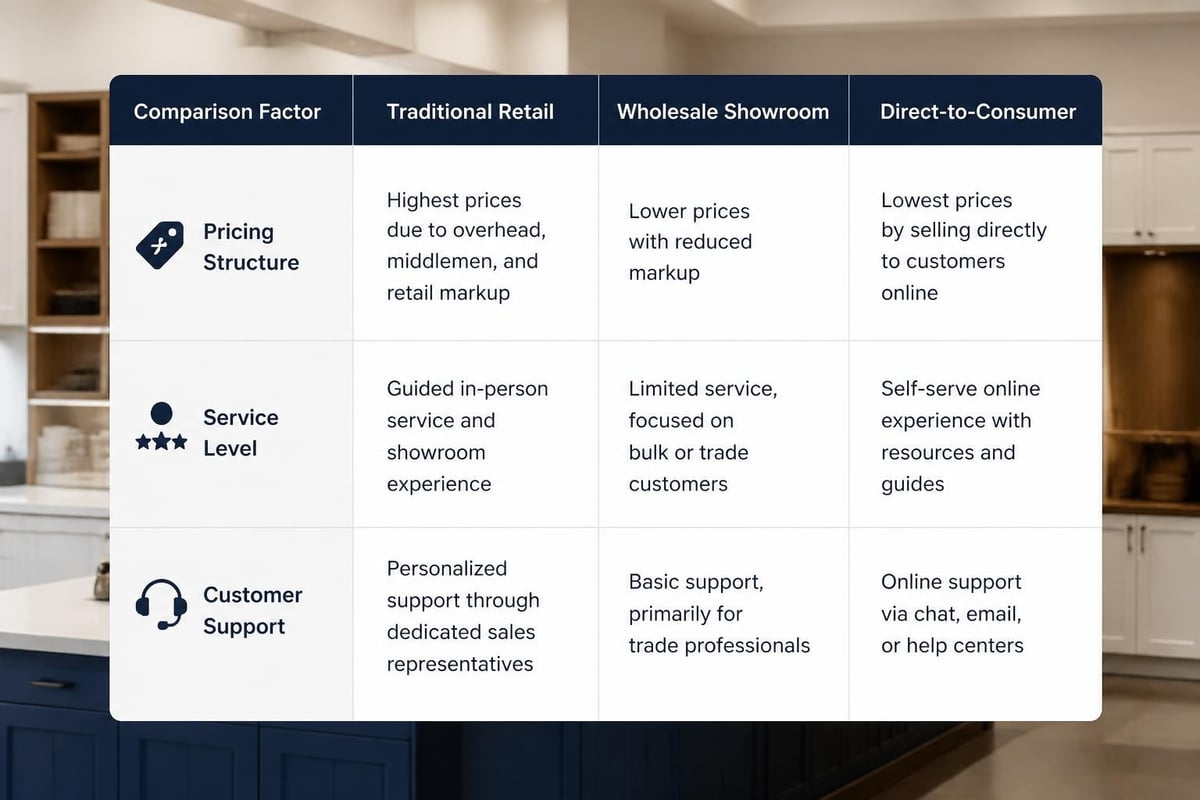
Traditional retail models include home improvement chains, independent dealers, and specialized showrooms. These physical locations allow customers to see, touch, and evaluate products before purchase. Many showrooms employ designers who provide layout assistance and specification guidance.
Direct-to-consumer cabinet sellers have emerged as viable alternatives, often promising lower prices by eliminating intermediaries. However, this model typically requires homeowners to handle their own measurements, design, and installation coordination.
The distinction between wholesale and retail pricing structures significantly impacts project budgets. Cabinet sellers operating on a wholesale model can offer substantial savings by reducing markup percentages while maintaining quality standards.
Evaluating the quality standards maintained by cabinet sellers requires understanding industry benchmarks and certifications. The Architectural Woodwork Institute provides detailed standards for workmanship, materials, and factory finishing that separate premium products from budget alternatives.
Responsible cabinet sellers prioritize products that meet or exceed environmental and safety standards. EPA formaldehyde emission requirements govern composite wood products used in cabinetry construction, protecting indoor air quality.
Additional certifications to consider include:
The UL GREENGUARD certification program provides third-party verification that cabinets meet stringent indoor air quality standards. Cabinet sellers who stock certified products demonstrate commitment to customer health and environmental responsibility.
Quality varies significantly based on construction techniques. Cabinet sellers should clearly explain whether their products feature:
| Construction Element | Premium Standard | Economy Alternative |
|---|---|---|
| Box Construction | Plywood or furniture board | Particleboard |
| Door Joints | Mortise and tenon | Doweled |
| Drawer Boxes | Dovetail solid wood | Stapled particleboard |
| Drawer Glides | Full-extension soft-close | Side-mount basic |
| Back Panels | 1/2" plywood | 1/8" hardboard |
Knowledgeable cabinet sellers provide transparency about construction details rather than obscuring differences with marketing language.
The best cabinet sellers offer multiple product tiers to accommodate varying budgets and timelines. Understanding these categories helps homeowners make informed decisions aligned with their priorities.
Ready-to-assemble or pre-assembled stock cabinets provide the fastest delivery timelines. Cabinet sellers maintaining substantial inventory can fulfill orders within days rather than weeks. This option works well for rental properties, quick flips, or budget-conscious projects where standard sizes fit the space.
Limitations include restricted sizing options, fewer door styles, and limited finish selections. However, quality stock cabinets from reputable cabinet sellers can deliver excellent value for straightforward kitchen layouts.
Semi-custom cabinets bridge the gap between stock and fully custom products. These offerings from specialized cabinet sellers provide:
The frameless cabinet construction popular in European-style cabinetry maximizes interior storage space while delivering contemporary aesthetics. Lead times typically range from four to eight weeks.
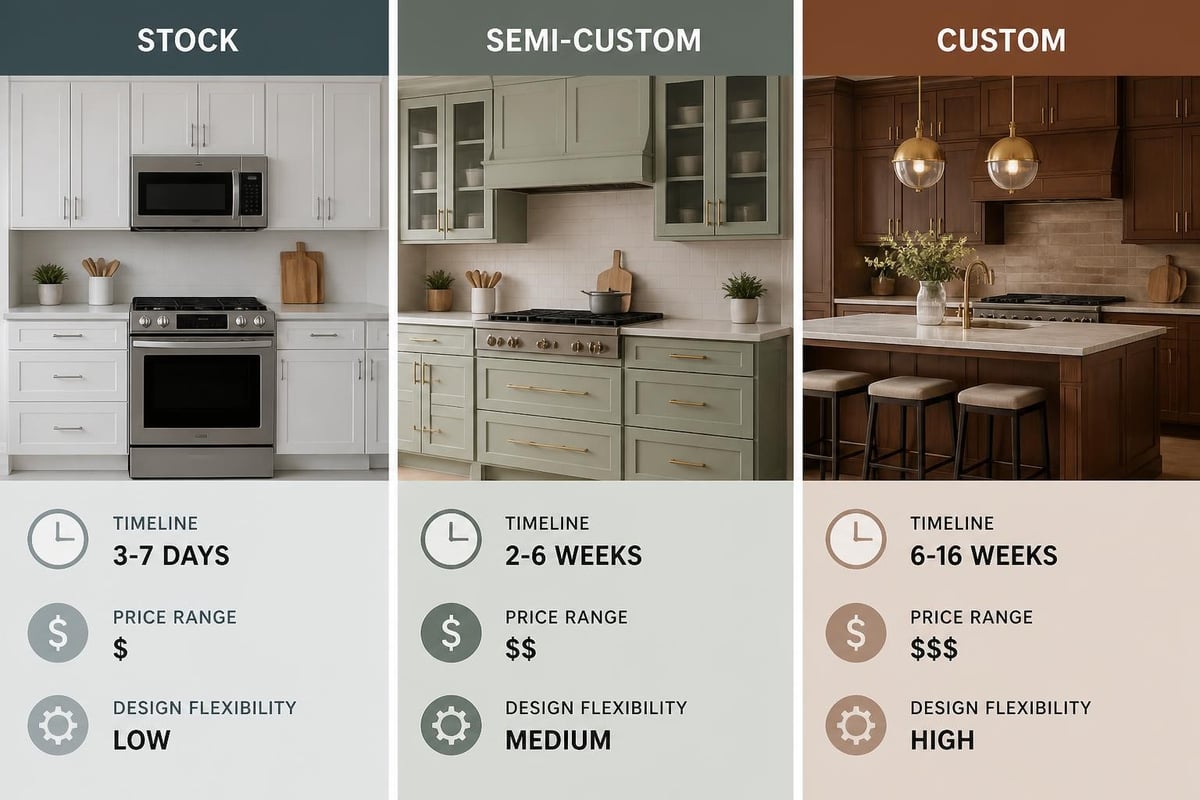
Full custom manufacturing represents the premium tier among cabinet sellers. Every component is built to exact specifications, accommodating unusual layouts, non-standard heights, and distinctive design elements. Custom cabinet sellers collaborate with homeowners and designers to realize specific visions without compromise.
Expect twelve to sixteen-week lead times for custom work. The investment delivers perfectly fitted cabinetry with unlimited finish options, specialized features, and heirloom-quality construction.
Ethical cabinet sellers maintain clear, consistent pricing structures. Understanding how providers calculate costs empowers better decision-making and prevents budget surprises.
Traditional retailers typically apply 50-100% markup over wholesale costs. Cabinet sellers operating showrooms at wholesale prices can reduce project costs by 30-40% compared to conventional retail channels while maintaining identical quality standards.
Request itemized quotes that separate:
This transparency allows accurate comparison between competing cabinet sellers and prevents hidden fees during final invoicing.
Many cabinet sellers partner with financing providers to make quality cabinetry accessible regardless of immediate cash availability. Look for:
Professional design assistance distinguishes full-service cabinet sellers from simple product vendors. Comprehensive planning prevents costly mistakes and ensures optimal functionality.
Modern cabinet sellers employ sophisticated design software that creates photorealistic renderings of proposed layouts. These visualizations help homeowners understand how selections will appear in their actual space before committing to purchases.
The design process typically includes:
Quality cabinet sellers provide this service complimentary as part of their commitment to customer success rather than charging separately for design time.
Beyond aesthetics, experienced designers from reputable cabinet sellers optimize workflow and storage efficiency. They consider traffic patterns, work triangles, landing zones, and ergonomic principles that make kitchens more enjoyable to use daily.
Special considerations include:
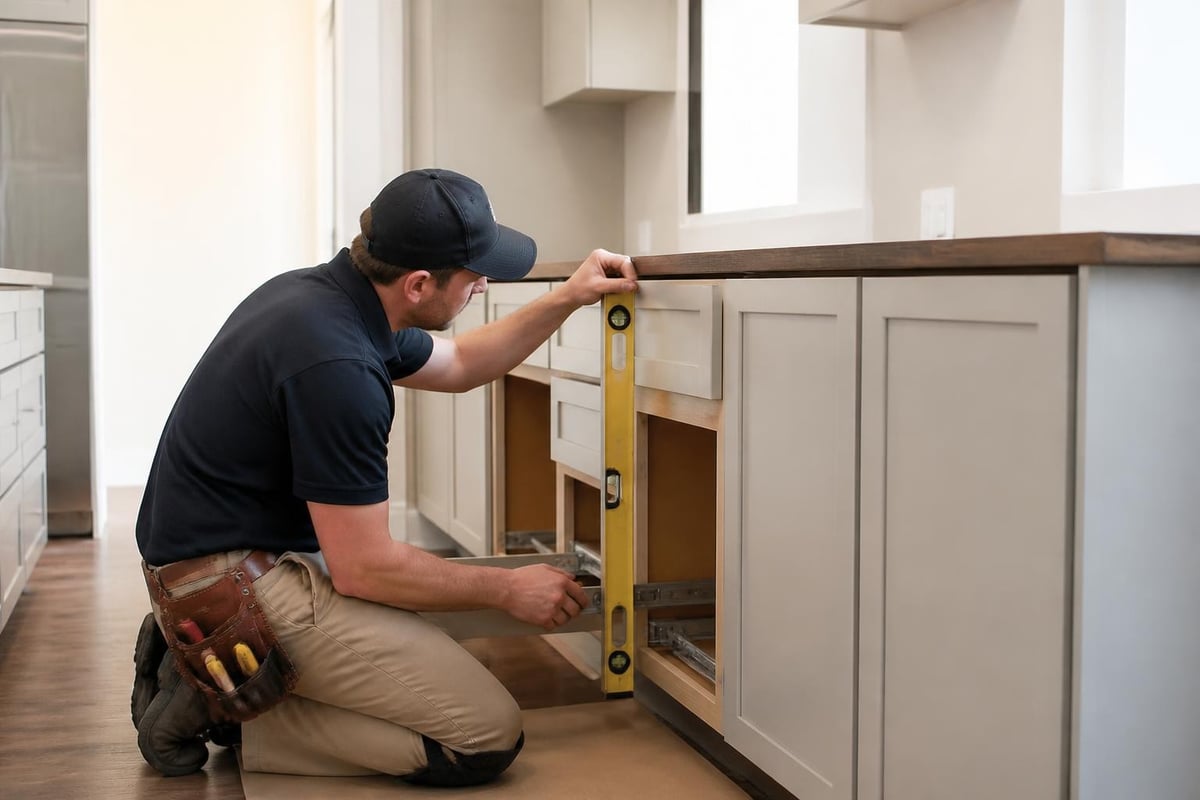
The quality of installation directly impacts how cabinets perform throughout their lifespan. Forward-thinking cabinet sellers either maintain in-house installation teams or partner with certified professionals who meet strict quality standards.
Professional installation typically follows this sequence:
Expect professional installers to protect finished flooring, clean up debris daily, and complete work within quoted timelines.
Comprehensive warranties separate confident cabinet sellers from those selling inferior products. Standard protection should include:
| Coverage Element | Minimum Standard | Premium Standard |
|---|---|---|
| Cabinet boxes | 5 years | Lifetime |
| Doors and drawers | 1 year | Lifetime |
| Finish quality | 1 year | 5+ years |
| Hardware function | 1 year | Lifetime |
| Installation workmanship | 1 year | 2+ years |
Reputable cabinet sellers stand behind their products with responsive customer service that addresses concerns promptly and fairly. They maintain replacement part inventory and repair capabilities rather than abandoning customers after purchase.
Understanding current market trends helps homeowners make selections that remain appealing for years. The NKBA’s 2025 Kitchen Trends Report identifies evolving preferences that influence what cabinet sellers stock and promote.
Contemporary and transitional styles continue dominating new installations. Cabinet sellers report strongest demand for:
Traditional raised-panel designs remain popular for classic and period-appropriate homes but represent a smaller market segment than in previous decades.
Environmentally conscious consumers increasingly question cabinet sellers about sustainable practices. FSC certification for wood products provides verification that materials come from responsibly managed forests.
Beyond sustainability, health-conscious buyers prioritize low-VOC finishes and formaldehyde-free construction. Cabinet sellers who address these concerns with certified products position themselves favorably with informed consumers.
Selecting the right provider requires systematic evaluation of multiple candidates. Begin with these research steps:
Nothing replaces visiting showrooms to assess cabinet sellers firsthand. During visits:
Ask pointed questions about construction methods, material sources, warranty terms, and installation processes. Evasive or vague responses indicate cabinet sellers who may not deliver promised quality.
Geographic factors influence which cabinet sellers best serve particular markets. Climate, building codes, and regional design preferences all impact optimal choices.
Coastal regions face unique moisture and salt air exposure. Cabinet sellers serving these markets should recommend:
Experienced cabinet sellers in coastal areas understand these requirements and specify appropriate products without requiring customer expertise.
Professional cabinet sellers stay current with evolving building codes affecting cabinetry installation. This includes:
Working with knowledgeable cabinet sellers ensures installations pass inspection without delays or costly corrections.
The National Association of Home Builders reports continued growth in the remodeling sector through 2026, affecting cabinet sellers' inventory levels and lead times.
Strategic timing considerations include:
Realistic project timelines account for multiple phases:
Cabinet sellers who provide accurate timeline estimates demonstrate professionalism and experience. Be wary of those promising unrealistic turnarounds that rarely materialize.
Prepare a standard list of questions when evaluating multiple providers. This ensures consistent comparison and reveals important differences.
Product and Quality Questions:
Service and Support Questions:
Pricing and Value Questions:
The quality and completeness of responses indicate which cabinet sellers prioritize customer satisfaction over simply closing sales.
Finding the right cabinet sellers transforms your kitchen renovation from a stressful gamble into a confident investment. By evaluating quality standards, product options, pricing transparency, and professional services, you can identify providers who deliver genuine value alongside beautiful, durable cabinetry. Whether you're planning in-stock solutions for quick delivery or fully custom designs, SD Kitchen Cabinets offers San Diego homeowners the area's largest selection with wholesale pricing, free 3D design consultations, professional installation, and lifetime warranty protection backed by decades of industry expertise.