
Selecting kitchen cabinets represents one of the most significant investments in your home renovation, and understanding what separates the best rated kitchen cabinets from mediocre options can save you thousands of dollars while ensuring decades of reliable performance. With kitchen remodels averaging $25,000 to $45,000 in 2026, and cabinets accounting for 40-50% of that budget, homeowners need reliable criteria to evaluate quality, durability, and long-term value. This comprehensive guide examines the certification standards, construction methods, materials, and design features that consistently earn top ratings from industry experts and satisfied homeowners alike.
Professional cabinet ratings begin with third-party certifications that verify performance under rigorous testing conditions. The Kitchen Cabinet Manufacturers Association certification program sets the industry benchmark through ANSI/KCMA A161.1 testing standards that evaluate structural integrity, finish durability, and drawer operation through thousands of cycles.
KCMA certification testing includes:
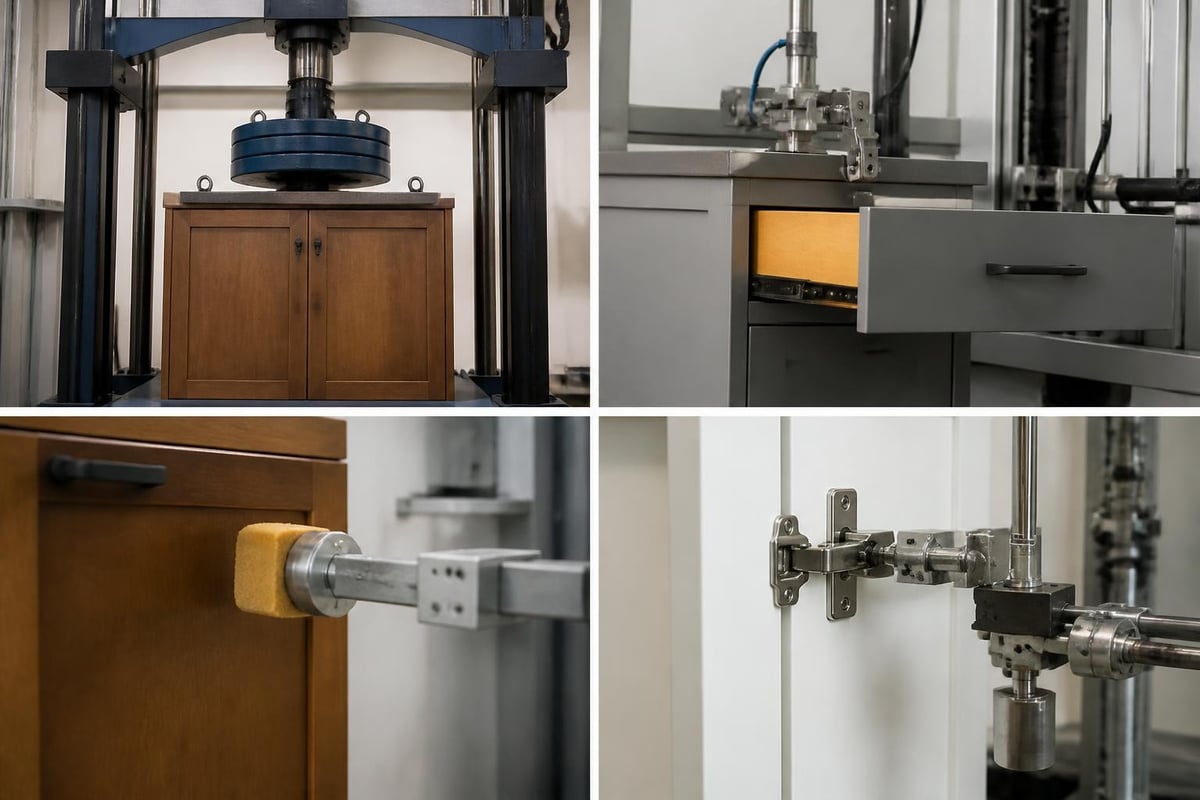
Environmental certifications have become equally important in determining the best rated kitchen cabinets for health-conscious homeowners. The EPA’s formaldehyde emission standards under TSCA Title VI establish strict limits on volatile organic compounds from composite wood products, ensuring indoor air quality meets federal safety thresholds. Cabinets meeting California Air Resources Board (CARB) Phase 2 compliance or NAF (No Added Formaldehyde) standards receive premium ratings for environmental responsibility.
Sustainably sourced materials earn recognition from rating systems that value environmental stewardship. Forest Stewardship Council certification verifies that wood components come from responsibly managed forests with chain-of-custody documentation. Green building projects seeking LEED credits benefit from certified wood products that contribute points toward Materials and Resources categories in USGBC rating systems.
Material certifications extend beyond environmental considerations to include:
| Certification | Focus Area | Rating Impact |
|---|---|---|
| FSC Certified | Sustainable forestry | Environmental responsibility |
| CARB Phase 2 | Low VOC emissions | Indoor air quality |
| KCMA ESP | Eco-friendly manufacturing | Sustainability practices |
| WaterSense | Water-efficient finishes | Resource conservation |
The best rated kitchen cabinets distinguish themselves through superior joinery techniques that outlast basic construction methods by decades. Traditional dovetail joints in drawer boxes provide interlocking strength that resists separation under heavy loads, while doweled joints with corner blocks in cabinet carcasses create rigid frameworks that maintain alignment through years of door operation and weight-bearing stress.
Box construction materials significantly impact long-term ratings and performance. Plywood versus particleboard versus MDF comparisons reveal critical differences in moisture resistance, screw-holding capacity, and structural integrity. Premium cabinets typically feature three-quarter-inch plywood boxes with hardwood frames, while budget options may use half-inch particleboard that compromises longevity for initial cost savings.
Construction elements that elevate cabinet ratings:
Hardware quality separates temporary solutions from permanent installations. European hardware manufacturers subject components to rigorous durability testing that verifies hinge performance over many thousands of opening cycles and drawer slide performance under maximum load conditions. Premium cabinets incorporate hardware engineered to these international benchmarks rather than generic components that fail within years.
Professional finish application distinguishes factory-finished cabinets from field-assembled alternatives. Catalyzed conversion varnishes and two-component polyurethane finishes cured in controlled environments provide superior scratch resistance, chemical tolerance, and moisture protection compared to single-stage finishes applied on-site.
The finish process for top-rated cabinets typically includes:
Design trends documented in the NKBA 2025 Kitchen Trends Report show homeowners increasingly prioritize functionality alongside aesthetics when rating cabinet systems. Frameless European construction continues gaining market share, with 68% of designers reporting increased client interest in sleek, minimalist cabinetry that maximizes interior storage volume by eliminating face frames.
Frameless Cabinets have earned top ratings for contemporary and transitional designs where clean lines and full-access interiors align with modern lifestyle requirements, particularly in urban markets where space efficiency drives purchasing decisions.
Color trends significantly influence aesthetic ratings, with Architectural Digest’s 2025 coverage highlighting the continued dominance of warm neutrals, natural wood tones, and sophisticated two-tone combinations. Cabinet manufacturers now offer extended color palettes exceeding 150 options, allowing homeowners to achieve custom looks without full custom pricing.
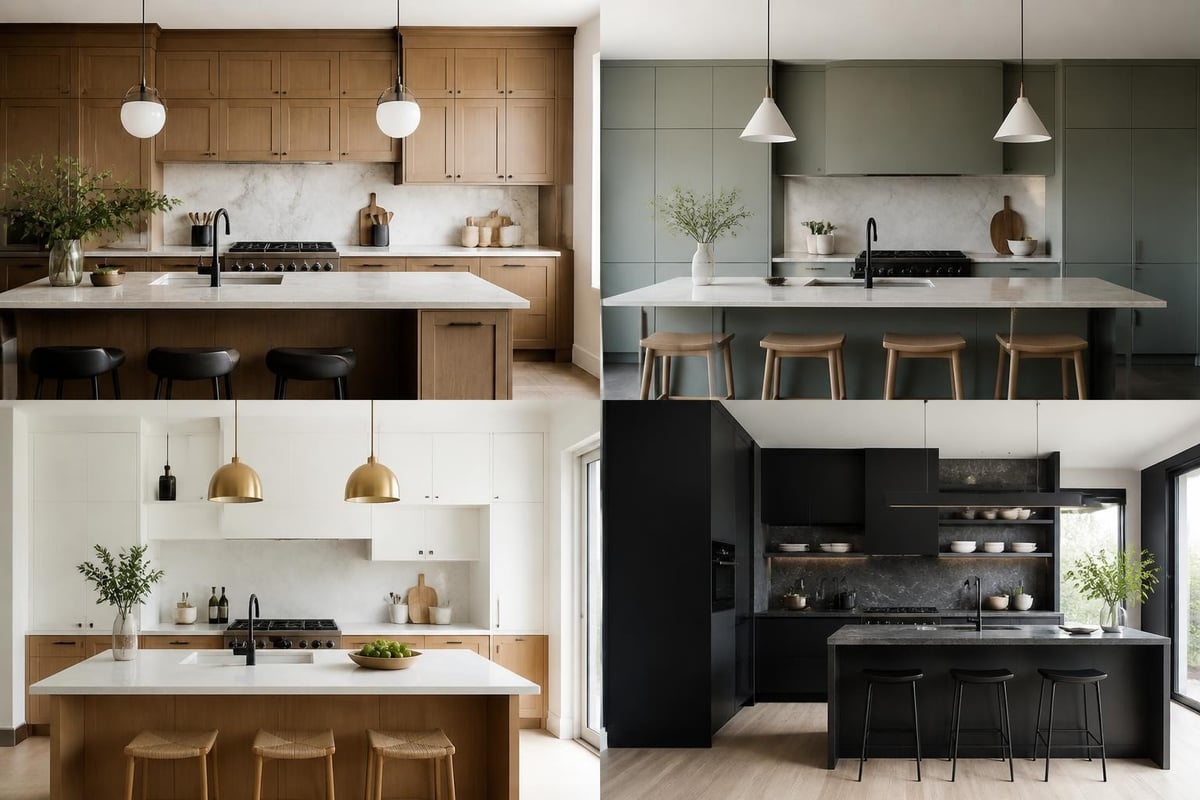
Top-rated cabinet styles in 2026:
The best rated kitchen cabinets incorporate intelligent storage solutions that maximize usable space while improving daily workflow efficiency. Pull-out systems, corner solutions, and specialized organizers transform static boxes into dynamic storage environments tailored to modern cooking and entertaining patterns.
Highly rated organizational features include:
| Storage Solution | Function | Value Rating |
|---|---|---|
| Pull-out spice racks | Vertical storage beside cooktop | High convenience |
| Corner lazy susans | Dead corner access | Essential for L-shaped layouts |
| Deep drawer organizers | Pot and pan vertical storage | Space optimization |
| Tray dividers | Baking sheet organization | Prevents clutter |
| Waste pull-outs | Integrated recycling centers | Environmental functionality |
Base cabinet innovations particularly influence ratings, as homeowners increasingly replace traditional shelves with drawer systems providing easier access to rear storage areas. Three-drawer base configurations rated 40% more favorably than two-door cabinets in consumer satisfaction surveys, despite higher initial costs that deliver returns through improved daily usability.
Upper cabinet ratings reflect lighting integration and accessibility features. LED task lighting mounted beneath wall cabinets, touch-activated door mechanisms, and lift systems for heavy doors all contribute to premium ratings that justify price differentials through enhanced functionality.
Consumer Reports buying guidance establishes practical evaluation criteria focusing on real-world performance rather than marketing claims. Their testing methodology examines drawer construction under load, door alignment after repeated opening cycles, and finish resistance to common kitchen chemicals including vinegar, ammonia, and citrus cleaners.
Key evaluation checkpoints when assessing cabinet quality:
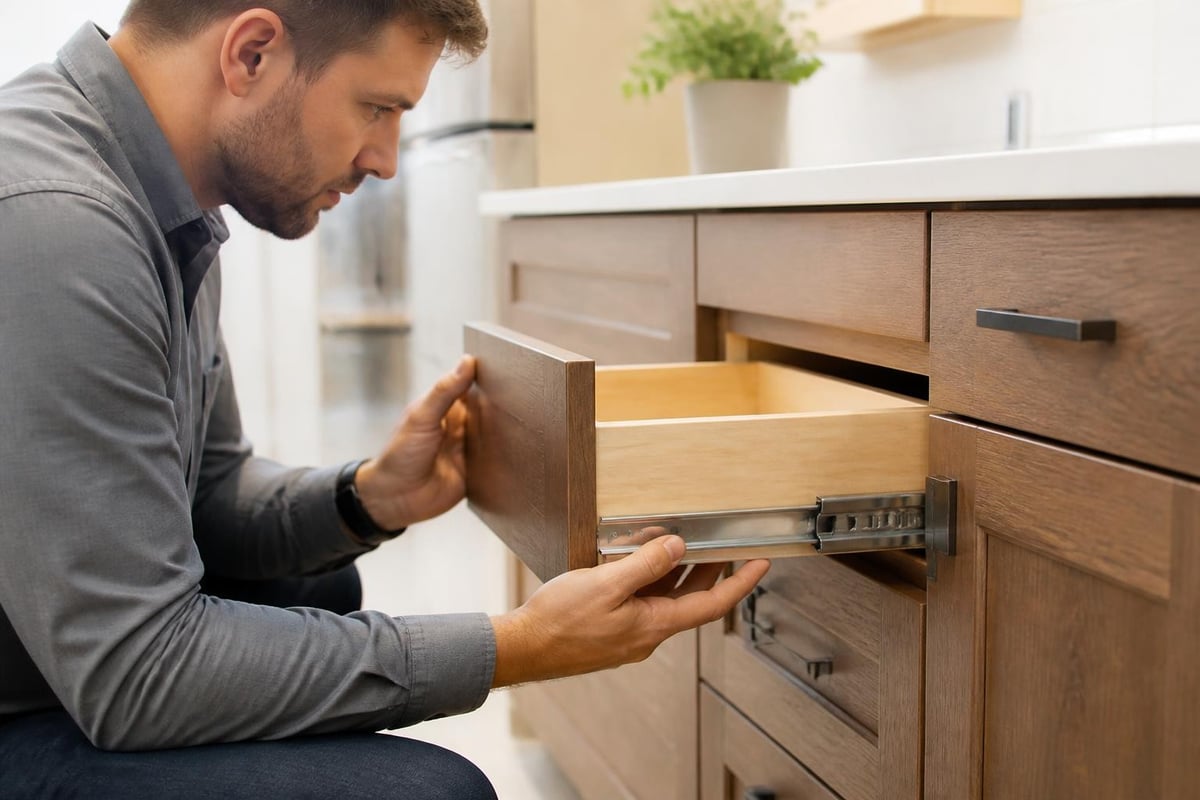
Professional installers rate cabinets based on installation efficiency and long-term serviceability. Cabinets with integrated hanging rail systems, pre-drilled hinge plates, and standardized dimensions receive higher marks than custom configurations requiring extensive field modifications that introduce alignment challenges and future adjustment difficulties.
Understanding the cost-quality relationship helps homeowners identify the best rated kitchen cabinets within their budget parameters. Stock cabinets ranging from $75 to $150 per linear foot provide basic functionality with limited customization, while semi-custom options between $150 and $400 per linear foot offer improved materials, expanded sizing, and organizational upgrades that significantly enhance usability.
Custom cabinetry exceeding $500 per linear foot receives top ratings for precise fit, unlimited design flexibility, and premium materials, though homeowners must weigh these benefits against budget constraints and project timelines. Direct wholesale pricing models can reduce these costs by 30-40% while maintaining quality standards, making previously unattainable grades accessible to budget-conscious renovators.
Value comparison across cabinet grades:
Warranty coverage directly correlates with manufacturer confidence and long-term ratings. Limited lifetime warranties on cabinet boxes and multi-year coverage on finishes, hardware, and drawer systems indicate quality construction worth premium pricing, while 90-day or one-year warranties suggest manufacturers anticipate performance issues requiring replacement rather than lifetime service.
Geographic location influences cabinet ratings through climate-specific performance requirements. Coastal regions require enhanced moisture resistance through marine-grade plywood construction and moisture-resistant finishes preventing delamination in humid environments, while arid climates demand stable materials resisting expansion and contraction through seasonal humidity fluctuations.
Southern California homeowners particularly benefit from understanding cabinet materials for coastal climates, where salt air and temperature variations demand cabinets engineered for specific environmental challenges that would damage standard construction over time.
Local building codes and installation requirements also impact ratings, as cabinets meeting national standards may require modifications satisfying regional earthquake bracing, ventilation clearances, or accessibility regulations. The best rated kitchen cabinets accommodate these requirements without compromising design or functionality through thoughtful engineering and flexible installation systems.
Evaluating the best rated kitchen cabinets requires balancing immediate aesthetic preferences with long-term performance criteria, budget constraints with quality expectations, and standard options with custom requirements. Successful cabinet selection begins with clear priorities ranking must-have features against nice-to-have upgrades that may exceed budgets without proportional value returns.
Decision framework for cabinet selection:
Homeowners should request physical samples examining actual construction quality rather than relying solely on showroom displays that may feature premium upgrades not included in quoted pricing. Hands-on evaluation reveals finish texture, hardware operation, and overall build quality that photographs and descriptions cannot adequately communicate.
The best rated kitchen cabinets ultimately deliver reliable performance, aesthetic satisfaction, and functional efficiency through decades of daily use, justifying initial investments through eliminated replacement costs and maintained home values. Whether selecting ready-to-assemble options for quick updates, semi-custom configurations for personalized design, or full custom systems for unique requirements, informed decisions based on objective quality criteria ensure successful outcomes that enhance both daily living and long-term property values. Exploring completed installation projects provides valuable insights into real-world applications and helps visualize how different cabinet grades perform in finished kitchens.
Selecting the best rated kitchen cabinets requires understanding certifications, construction methods, materials, and long-term value rather than focusing solely on initial costs or surface aesthetics. Whether you're planning a complete renovation or targeted cabinet replacement, SD Kitchen Cabinets offers free 3D design consultations, wholesale pricing on in-stock and custom options, and professional installation backed by limited lifetime warranties. Visit our San Diego showroom at 7944 Miramar Rd to examine quality firsthand and discover how the right cabinets transform your kitchen into a space you'll love for decades.